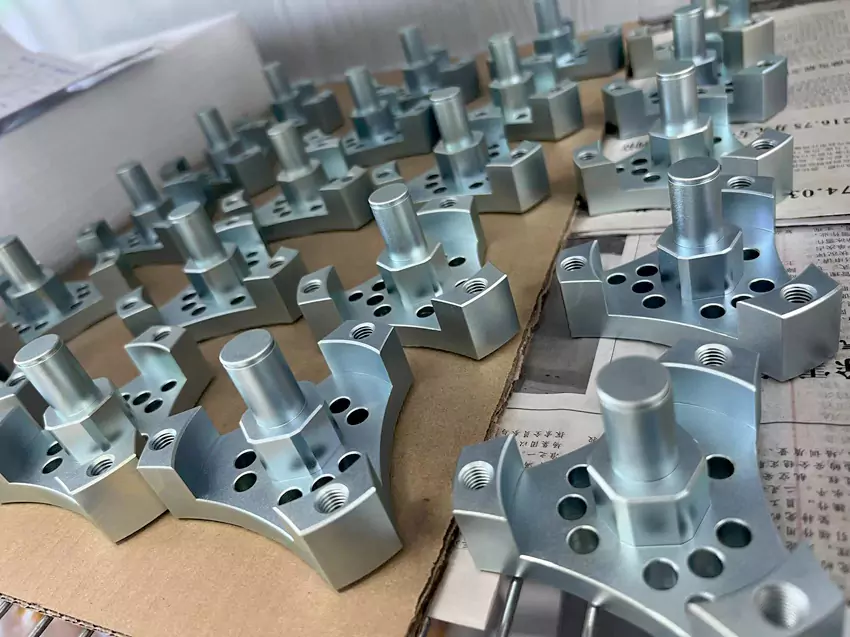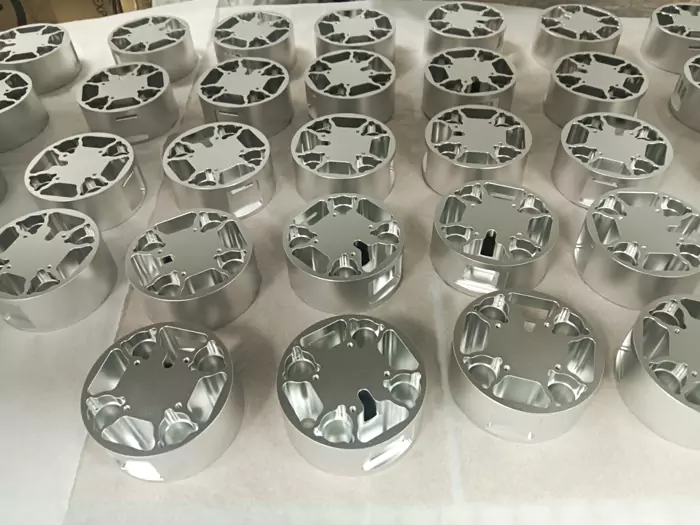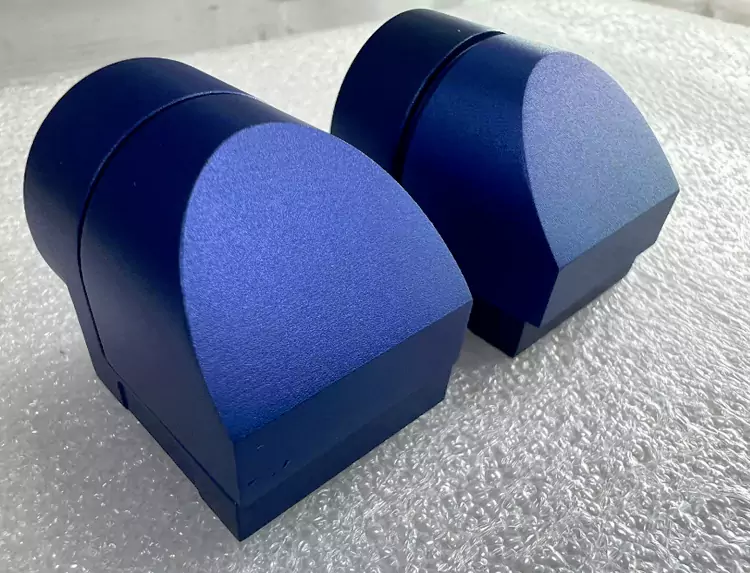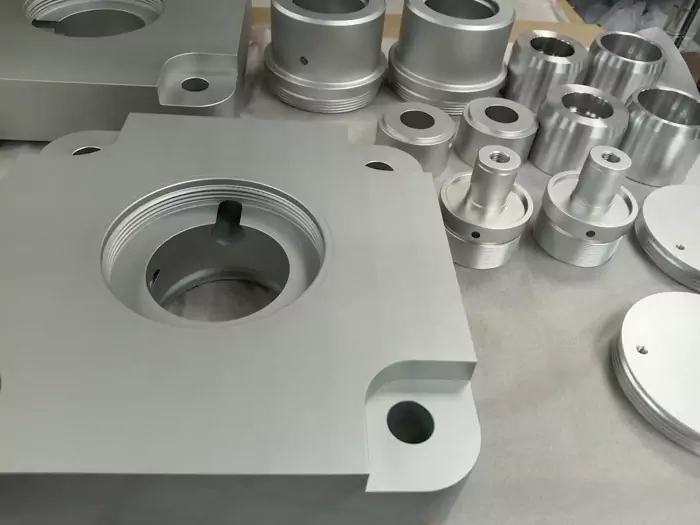




Aluminum
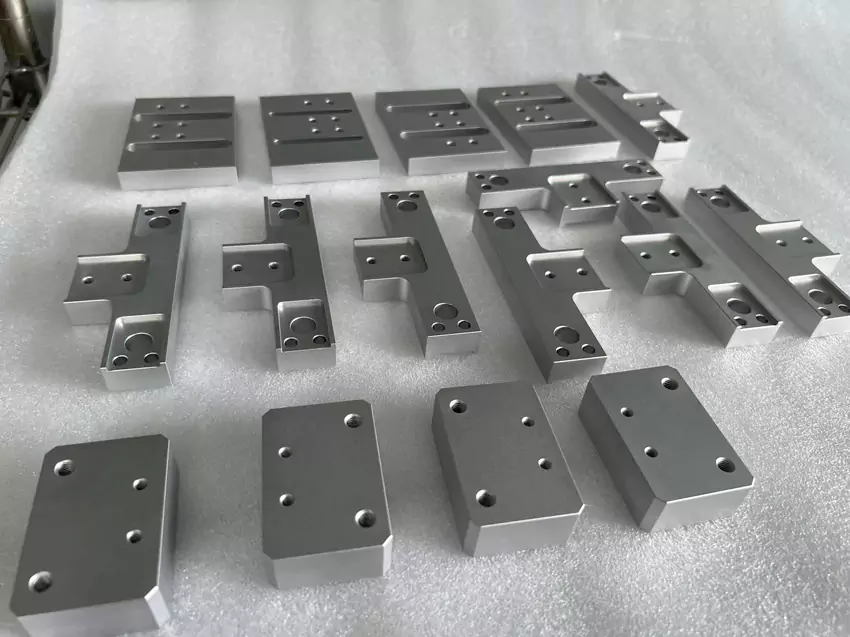
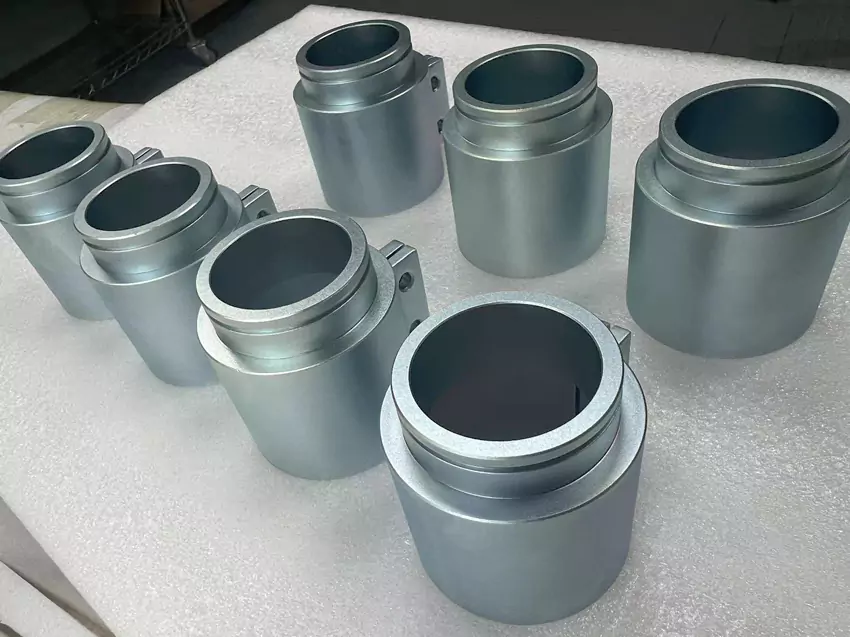
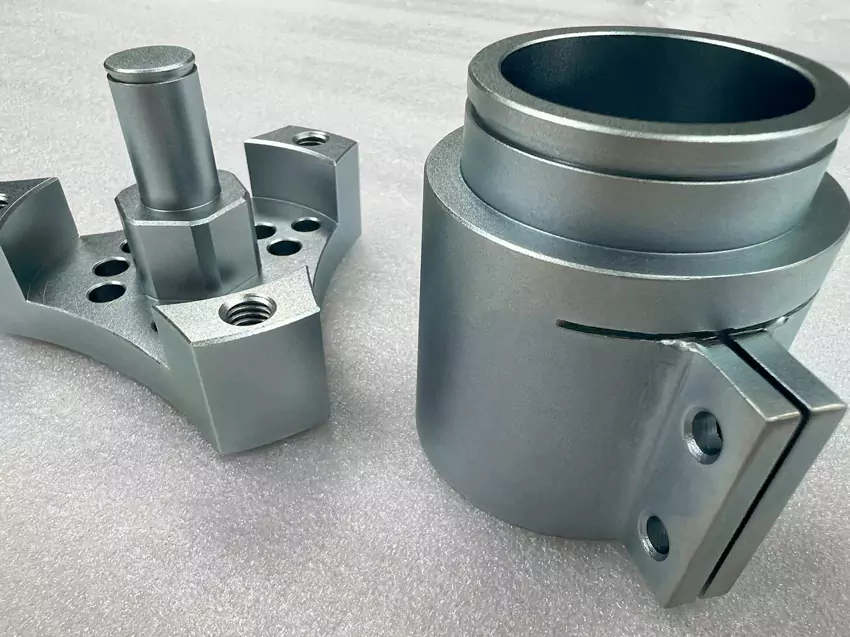
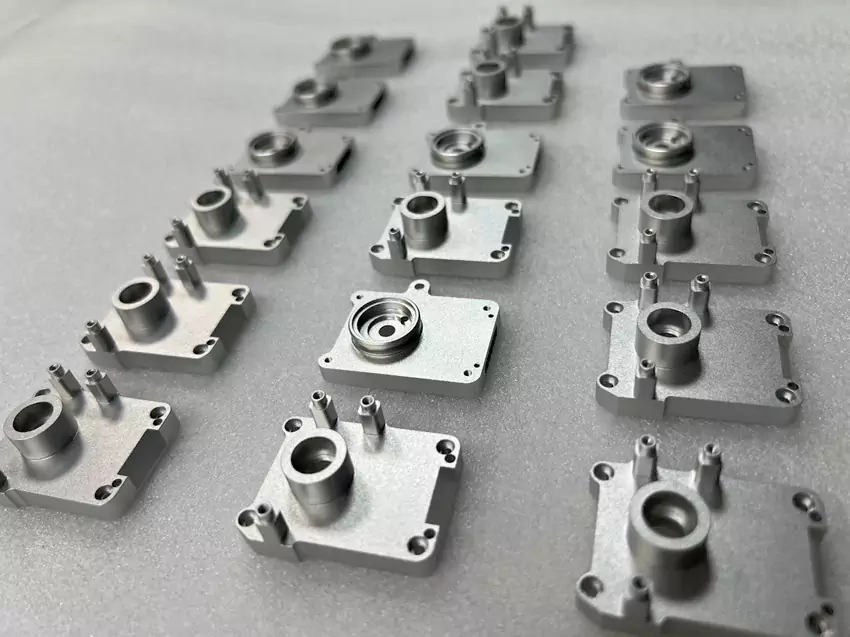
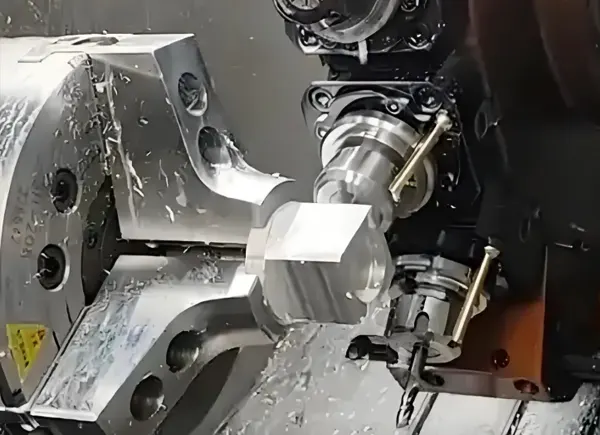
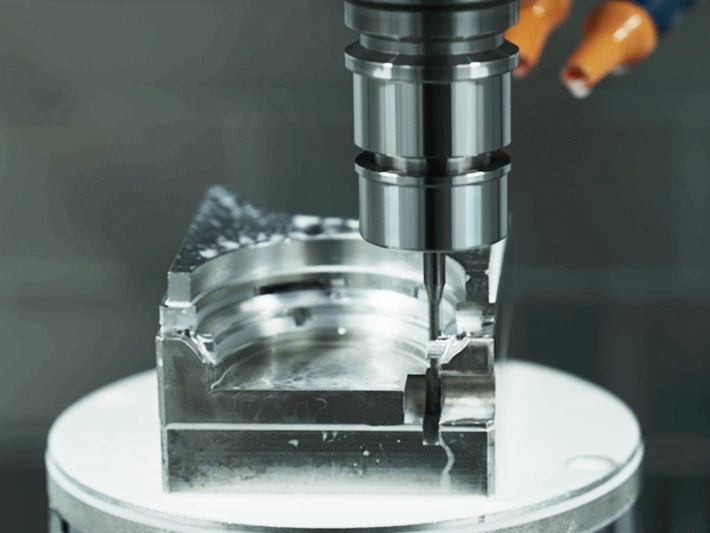
Aluminum, with its high ductility, is effortlessly machinable. Featuring a commendable strength-to-weight ratio, this versatile material comes in various types suitable for a wide array of applications.
Lead Time: < 10 days
Copper
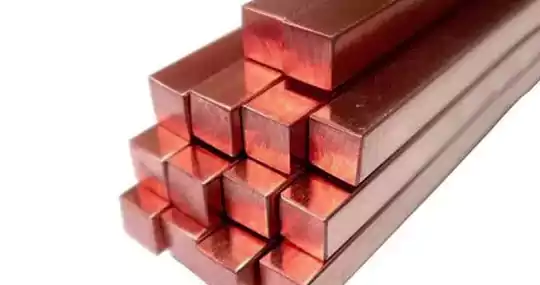
Copper exhibits outstanding thermal and electrical conductivity, as well as remarkable plasticity. Moreover, it boasts high ductility, resistance to corrosion, and ease of welding.
Lead Time: < 10 days

Brass
Brass possesses favorable attributes suitable for various applications, including low friction, superb electrical conductivity, and a distinctive golden appearance.
Lead Time: < 10 days
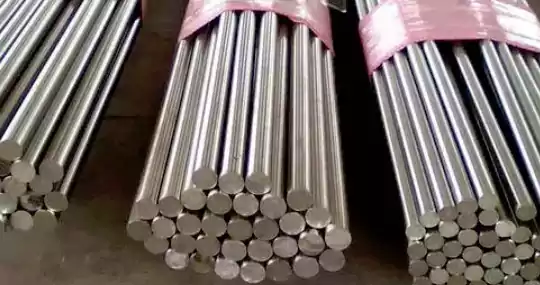
Stainless steel
Stainless steel is favored in CNC machining due to its impressive strength, durability, and resilience. Throughout the machining process, this material undergoes precise cutting, shaping, and drilling using various cutting tools such as drills, mills, and lathes.
Lead Time: < 10 days

Titanium
Titanium stands out as a prized metal in CNC machining, valued for its silvery-white hue and lightweight nature. Its strength, durability, and corrosion resistance render it an exceptional choice. Yet, manipulating titanium in CNC machining demands adept skill and precision to fulfill precise specifications.
Lead Time: < 10 days
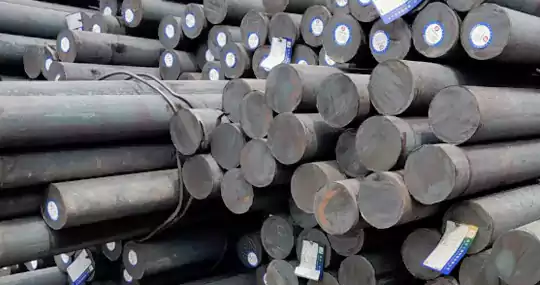
Carbon steel
Carbon steel, extensively utilized in CNC machining, is renowned for its notable strength, hardness, and durability. Its elevated carbon content improves machinability during CNC operations, ensuring the production of precise and consistent parts.
Lead Time: < 10 days
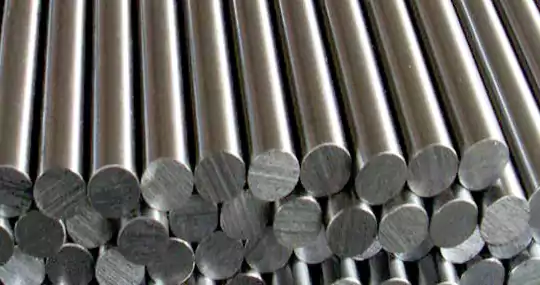
Tool steel
Tool steel is extensively employed in manufacturing molds for injection molding processes and serving as cutting implements, encompassing drills, end mills, and lathe tools. Its capacity to endure high temperatures, mechanical strains, and repetitive cycles positions it as an optimal selection for diverse industrial uses.
Lead Time: < 10 days
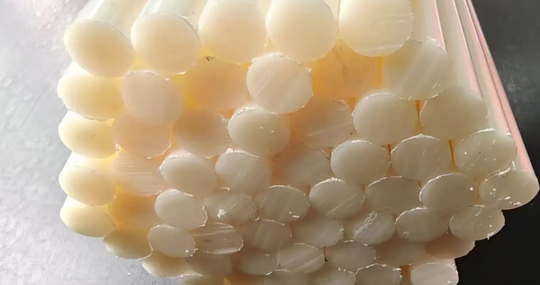
ABS
ABS offers excellent impact resistance, toughness, and dimensional stability. It is widely used for prototypes, consumer products, housings, and industrial components where durability and ease of machining are important.
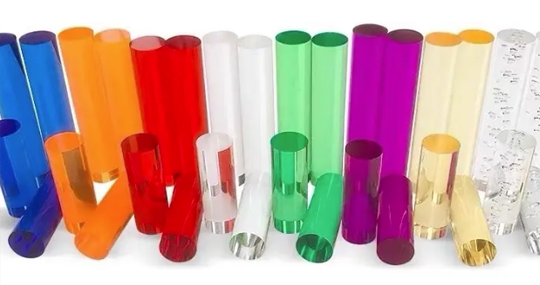
PMMA
PMMA, also known as acrylic, provides excellent optical clarity and weather resistance. It is commonly used for display components, covers, lenses, and applications that require transparency and a high quality surface finish.
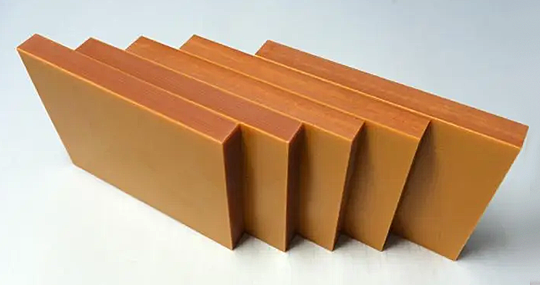
PF
PF is a thermosetting plastic that has been widely used in electronic products, automobiles, aerospace, medical equipment and other fields due to its excellent physical, mechanical and chemical properties.
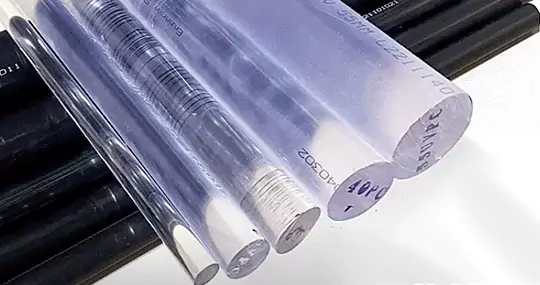
PC
Polycarbonate, a robust and resilient plastic, exhibits flame-retardant and antioxidant characteristics. Renowned for its outstanding impact resistance, transparency, and mechanical attributes.
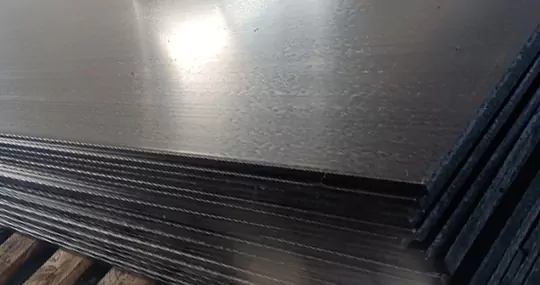
PA
PA has good comprehensive properties, including mechanical properties, heat resistance, wear resistance, chemical resistance and self-lubrication. It has a low friction co-efficient, has certain flame retardant, and is easy to process.
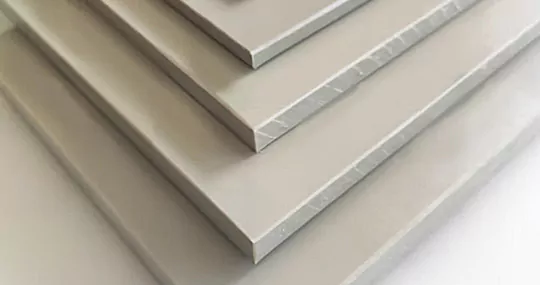
PP
Polypropylene (PP) showcases exceptional chemical resilience, a lofty melting threshold, and minimal density. When employing CNC machining on PP, employing a sharp cutter with an elevated front angle and reduced cutting speed is imperative. These precautions thwart material overheating and melting.
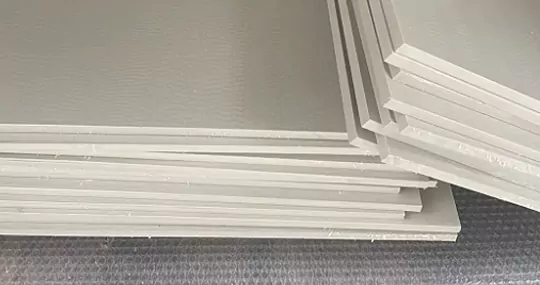
PEEK
Polyetheretherketone (PEEK), an extraordinary engineering thermoplastic, is renowned for its remarkable attributes, such as exceptional resistance to high temperatures, inherent self-lubrication, ease of processing, and unparalleled mechanical robustness.
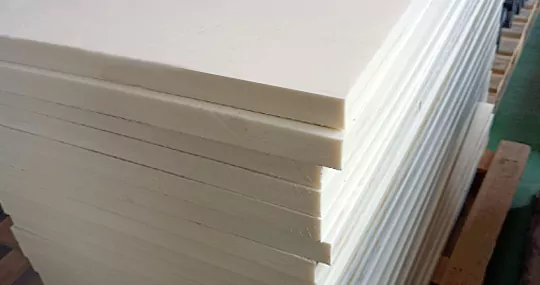
POM
Polyoxymethylene (POM), a thermoplastic substance, is celebrated for its elevated stiffness, minimal friction, ease of machining, and remarkable dimensional stability. Nevertheless, the machining process of POM presents challenges, attributable to its heightened melting threshold and susceptibility to chipping or cracking when cutting parameters are not meticulously managed.
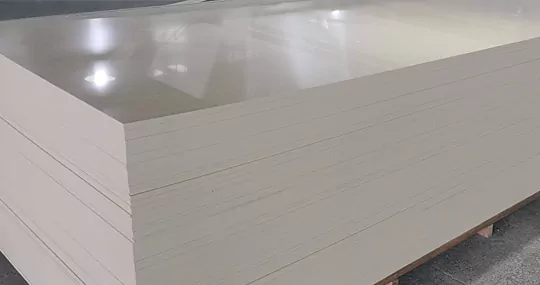
PVC
PVC, robust and resilient, exhibits resistance to chemicals, weather, and fire. Nonetheless, machining PVC can generate hazardous dust and fumes, posing risks to workers’ safety. To ensure the well-being of workers, employ appropriate safety gear and implement adequate ventilation measures during the machining procedure.
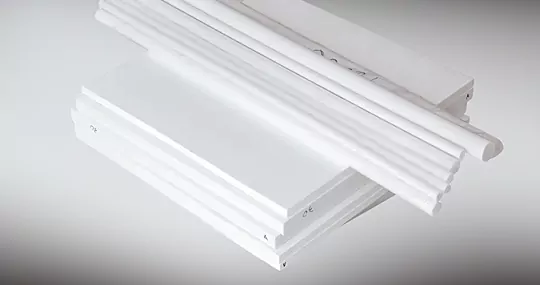
PTFE
PTFE has high strength, high stiffness and excellent high temperature resistance. Its resistance to wear and chemical attack is also excellent. Compared with other engineering plastics, PTFE has a lower friction coefficient and good self-lubricating properties.
| Name | Description | Materials | Color | Texture | More |
|---|---|---|---|---|---|
Brushing | Brushing, a surface treatment method, embellishes workpieces with decorative lines achieved by grinding, culminating in a stunning and aesthetically pleasing finish. | Aluminum, Brass, Stainless Steel, Steel, ABS,etc | N/A | Satin |  |
Sand Blast | Sandblasting employs high-speed sand flow to cleanse and roughen a product's surface, aiming to attain precise levels of cleanliness and variable roughness on the workpiece surface. | All Metal Materials, Plastic | N/A | Matte |  |
Tumbling | Tumbling involves placing materials in a rotating drum or container along with abrasive media for a surface treatment process. This action smoothens surfaces, removes burrs from edges, and enhances uniformity. | All Materials | N/A | Smooth, Matte |  |
Polishing | Polishing, a mechanical surface treatment method, employs abrasives or buffing wheels to eliminate imperfections, refine surfaces, and elevate the appearance of materials, resulting in a glossy and reflective finish. | All Materials | N/A | Smooth |  |
Anodizing | Anodizing is a surface treatment technique specifically designed for aluminum and its alloys. It generates a protective layer that enhances corrosion resistance, wear resistance, and hardness, simultaneously altering the material's surface appearance. | Aluminum, Titanium | Clear, Yellow, Green, Blue, Black, etc | Smooth, matte finish. |  |
Painting | Mount the product onto the rotating bracket and securely fasten the bracket onto the assembly line. Apply the paint evenly across the product's surface. While this process improves the product's tactile sensation, it may also render it vulnerable to scratches. | All Materials | Clear, Yellow, Green, Blue, Black, Multiple | Gloss, semi-gloss, flat, metallic, textured |  |
Black Oxide | Black oxide, an oxide film primarily employed to augment product corrosion resistance and appearance, simultaneously diminishing light reflection, proves highly effective for treating surfaces of steel and stainless steel. | Steel, Stainless Steel | Black | Smooth, matte |  |
Electroplating | Electroplating serves functional, decorative, and corrosion-related functions, and is widely utilized across diverse industries. For example, the automotive industry frequently utilizes chrome-plating for steel automobile components. | Aluminum, Steel, Stainless Steel | Gold, Silver, Nickel, Copper, Brass, Zinc, Chrome | Smooth, glossy finish | 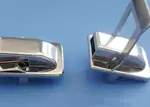 |
Powder Coating | Powder coating is a method of applying dry powder onto metal surfaces, usually via electrostatic means. Subsequently, the coated metal undergoes curing through either heating or exposure to ultraviolet light, resulting in a resilient and visually appealing finish. | Aluminum, Stainless Steel, Steel,etc | Custom | Gloss, matte or semi-gloss |  |
Alodine | An alodine finish is a conversion coating method applied to aluminum parts, forming a thin protective film that effectively prevents corrosion. Additionally, it functions as a primer for subsequent painting processes. | Aluminum, Stainess Steel | Clear, Gold | As machined | 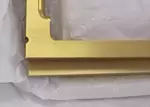 |
Passivation | Passivation is a process applied to stainless steel to bolster its corrosion resistance. This entails submerging the metal in an acid solution to eliminate contaminants and promote the formation of a protective oxide layer on the surface, thereby averting rust and corrosion. | Stainess Steel | N/A | Matte | 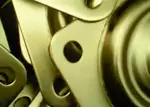 |
Electroless Plating | Electroless plating is a chemical process that deposits metal onto a substrate without the need for an external electrical current. This method initiates a catalytic reaction between the substrate and a metal ion solution, resulting in the formation of a uniform and strongly adherent coating. | Metal, Plastic | Gold, Silver, Nickel, Copper, Brass, Zinc, Chrome | Smooth, glossy finish | 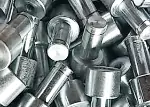 |